
Branded Reflective Gear for Mining Operations: The Complete Australian Guide
Discover how Australian mining operations can source compliant, high-quality branded reflective gear that boosts safety, team identity, and visibility on site.

Written by
Luke Paterson
Safety & Workwear
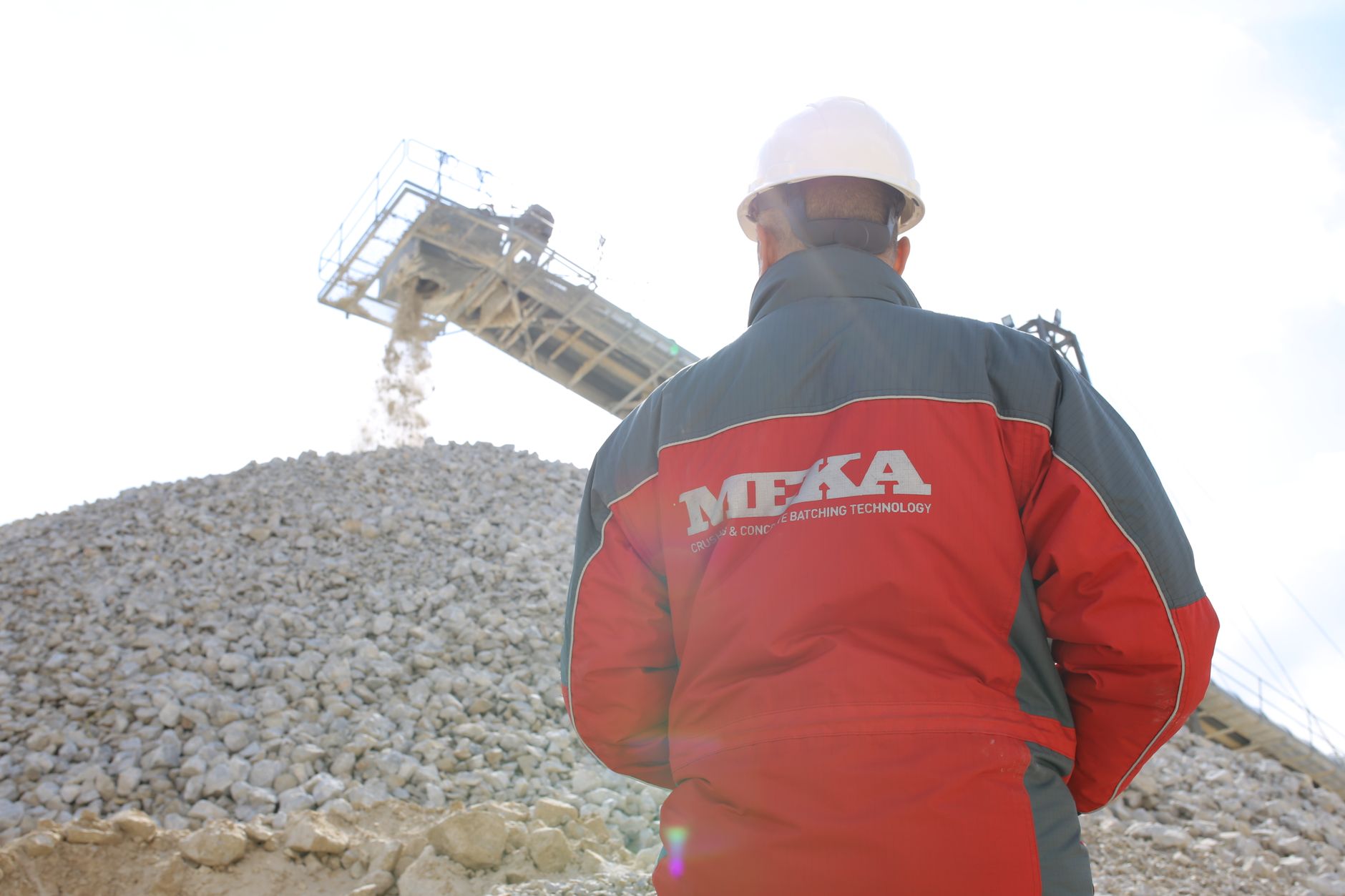
When it comes to workplace safety, few industries face higher stakes than mining. Whether you’re operating in the Pilbara region of Western Australia, the Hunter Valley coalfields of New South Wales, or the vast open-cut mines of Queensland’s Bowen Basin, visibility on site isn’t a preference — it’s a legal requirement and a lifesaving necessity. Branded reflective gear for mining operations in Australia sits at the intersection of strict compliance obligations and genuine organisational identity, and getting it right takes more than just slapping a logo on a hi-vis vest. This guide walks you through everything you need to know: from compliance requirements and decoration methods, to product selection, ordering logistics, and how to make your branded workwear work harder for your organisation.
Why Branded Reflective Gear Matters in Australian Mining
There are two compelling reasons to invest seriously in quality branded reflective gear: safety and culture.
On the safety front, Australian mining sites are governed by stringent regulations under state-based Work Health and Safety (WHS) legislation and Australian Standards — primarily AS/NZS 4602.1 for high visibility safety garments and AS/NZS 1906.4 for retroreflective materials. These standards dictate minimum amounts of fluorescent background material, the placement and width of retroreflective tape, and the performance class of garments depending on the risk environment. If your gear doesn’t meet these standards, you’re not just risking a compliance fine — you’re putting workers in genuine danger.
On the cultural side, branded workwear reinforces professional identity, fosters team cohesion, and communicates to clients and site visitors that your operation runs with precision and pride. When a drill rig crew at a site in Kalgoorlie turns up in matching, well-branded hi-vis gear, it signals professionalism across the board. It’s the same logic that drives a Sydney corporate team to invest in quality uniforms — presentation matters, even in the most rugged environments.
It’s also worth noting that well-branded gear reduces the risk of equipment being confused between contractors. In large-scale operations where multiple subcontractors share a site, clearly branded garments help supervisors and safety officers identify personnel by company at a glance.
Understanding Compliance: What Australian Mining Sites Require
Before you brief a supplier or confirm a product order, it’s essential to understand the compliance landscape. This isn’t an area where approximation is acceptable.
AS/NZS 4602.1 and AS/NZS 1906.4
AS/NZS 4602.1 classifies high visibility garments into two classes:
- Class D (Day) — garments intended for daytime use only, featuring fluorescent background material but without the mandatory reflective tape required for low-light or night-time environments.
- Class D/N (Day/Night) — garments designed for both daytime and night-time use, incorporating both fluorescent material and retroreflective tape strips. This is the most commonly required class on Australian mining sites.
AS/NZS 1906.4 covers the retroreflective materials themselves — dictating minimum brightness, durability, and placement specifications. Any compliant product should carry labelling that references these standards.
When sourcing branded reflective gear for mining operations in Australia, always request compliance documentation from your supplier. Reputable branded merchandise suppliers will provide garment specification sheets confirming the standard met, and will be familiar with how decoration methods — embroidery, heat transfer, screen printing — can impact compliance if applied incorrectly.
For a broader overview of how product compliance and safety standards apply across different types of branded merchandise, our guide on promotional product compliance and safety standards in Australia is essential reading before you place any workwear order.
Site-Specific Requirements
Beyond national standards, individual mining sites and operators often layer additional requirements on top. Some sites mandate specific colours (orange vs. yellow, for example), particular garment weights, or even designated contractor colour coding. Before finalising any order, check with the site’s safety management team to confirm current requirements.
Choosing the Right Products for Mining Environments
Mining environments are brutally demanding on workwear. Dust, moisture, heat, UV exposure, chemical contact, and physical abrasion all take a toll. Here’s how to build a sensible branded gear program.
Hi-Vis Shirts and Polo Shirts
The workhorse of any mining uniform program. Look for options in 100% polyester or poly-cotton blends rated for UV protection (ideally UPF 50+), moisture-wicking properties, and heavy-duty stitching. Long-sleeve options are preferable in many environments for sun and abrasion protection.
Decoration method matters here. Embroidery is the most durable option for chest logos and sleeve branding on polo shirts — it withstands repeated industrial laundering far better than screen printing or heat transfer. That said, embroidery placement must avoid interfering with reflective tape placement or fluorescent material coverage.
Hi-Vis Vests and Jackets
Vests are common for high-movement or hot-climate applications, while jackets are preferred in cooler conditions (think overnight shifts in South Australia’s outback or Tasmania’s highland regions). Bomber-style and drill jackets with internal lining are popular for winter operations.
When decorating vests and jackets, ensure your branding is positioned to comply with the garment’s certified tape and background material layout. Any decoration that obscures or reduces the retroreflective tape coverage could render the garment non-compliant.
Hi-Vis Cargo Pants and Shorts
Complete the uniform with compliant lower body garments. Many operations require full Class D/N compliance even for trousers — particularly for traffic management or plant operation roles. Hi-vis cargo shorts are common on Queensland and Northern Territory sites during summer months.
Caps and Wide-Brim Hats
While not classified as PPE in the same sense, branded sun protection headwear is an important part of any mining operation’s uniform program, particularly for outdoor site workers. Our detailed overview of the wide-brimmed hat as a branded merchandise option covers the key considerations for organisations looking to add hats to their workwear range — from decoration methods to MOQs.
Accessories: Lanyards and Identification Items
Site access cards, induction passes, and contractor identification are a routine part of mining site management. Branded lanyards are a practical, cost-effective addition to any mining merchandise program. If you haven’t explored the options available, our guide to high-quality custom lanyards covers material choices, print methods, and safety breakaway features that are particularly relevant in industrial environments.
Decoration Methods for Reflective Mining Gear
Not all decoration techniques are suitable for hi-vis and reflective garments. Here’s a quick breakdown:
Embroidery
Best for: Polo shirts, jackets, caps, bags Pros: Extremely durable, professional appearance, withstands industrial washing Cons: Cannot be applied directly over reflective tape; requires careful placement planning
Heat Transfer
Best for: Synthetic hi-vis fabrics, full-colour logos Pros: Works well on polyester fabrics, can reproduce complex logos with multiple colours Cons: Must be applied away from reflective tape; longevity depends on application quality and wash frequency
Screen Printing
Best for: High-volume runs on shirts and vests Pros: Cost-effective at volume, vibrant colours, fast production Cons: Less suitable for heavy-duty industrial wash cycles compared to embroidery; best for non-PPE branded items within a broader uniform program
Laser Engraving
For hard goods — helmets, water bottles, belt buckles, awards — laser engraving produces sharp, permanent results. It’s increasingly popular for branded safety accessories and crew recognition items on mining sites.
Ordering Logistics: What to Expect
Minimum Order Quantities (MOQs)
For compliant hi-vis garments with custom branding, most suppliers work with MOQs starting at 10–20 units for embroidery, and 25–50 units for screen printing. Full custom garment manufacturing (where you specify your own fabric, tape placement, and construction) typically requires 100+ units and longer lead times.
Turnaround Times
Standard decorated hi-vis orders typically take 10–15 business days from artwork approval. Expedited turnarounds are possible but come at a premium. For large fleet orders — say, a Pilbara-based contractor outfitting 200 employees ahead of a project mobilisation — plan for at least 3–4 weeks and build in time for size-run approvals and artwork proofing.
Artwork and Branding Requirements
Provide your logo in vector format (AI, EPS, or high-resolution PDF). For embroidery, your supplier will convert artwork to a stitch file — a process that involves decisions about stitch direction, density, and colour matching to Madeira or Pantone thread colours. Always approve a digitised stitch-out sample before bulk production.
Beyond Workwear: Rounding Out Your Mining Site Merchandise Program
A mining operation’s branded merchandise needs don’t stop at garments. Consider these complementary products:
- Branded drinkware: Stainless steel insulated bottles and keep cups are essential for remote site workers managing heat and hydration. Our guide to eco-friendly drinkware options explores sustainable alternatives worth considering for your team.
- Branded bamboo water bottles: A growing trend even in heavy industry, as operations look to reduce single-use plastic on site. See our post on branded bamboo water bottles for product options.
- USB drives for induction packs: Digital induction content, safety documentation, and training materials are commonly distributed on USB. Our overview of promotional USB thumb drives covers formats and print options suitable for corporate and industrial applications.
For a broader sense of how well-executed branded merchandise programs work across different Australian industries, our custom apparel case studies provide real-world context and inspiration.
Conclusion: Key Takeaways for Sourcing Branded Reflective Gear for Mining Operations in Australia
Branded reflective gear for mining operations in Australia is a specialist category that demands careful attention to compliance, product quality, and practical ordering logistics. Here’s what to keep in mind:
- Compliance is non-negotiable — always confirm that garments meet AS/NZS 4602.1 and AS/NZS 1906.4, and verify site-specific requirements before ordering
- Choose decoration methods wisely — embroidery is the gold standard for garment durability in heavy industrial environments, but placement must never compromise certified tape or background coverage
- Plan your order timeline carefully — large-scale mining site orders require 3–4 weeks minimum, and size-run and artwork approvals add time
- Think beyond the vest — a cohesive branded merchandise program includes headwear, drinkware, lanyards, and accessories that support your team’s daily operations and reinforce your organisation’s identity
- Work with a supplier who understands compliance — your branded merchandise partner should be able to provide garment specification sheets, compliance documentation, and proactive guidance on decoration placement to keep your workforce safe and your organisation covered