
Rotary Engraving Bit Selection for Metal Promotional Items: The Complete Guide
Learn how to choose the right rotary engraving bits for metal promotional items. Expert tips on bit types, metals, and finish quality.

Written by
Priya Kapoor
Branding & Customisation
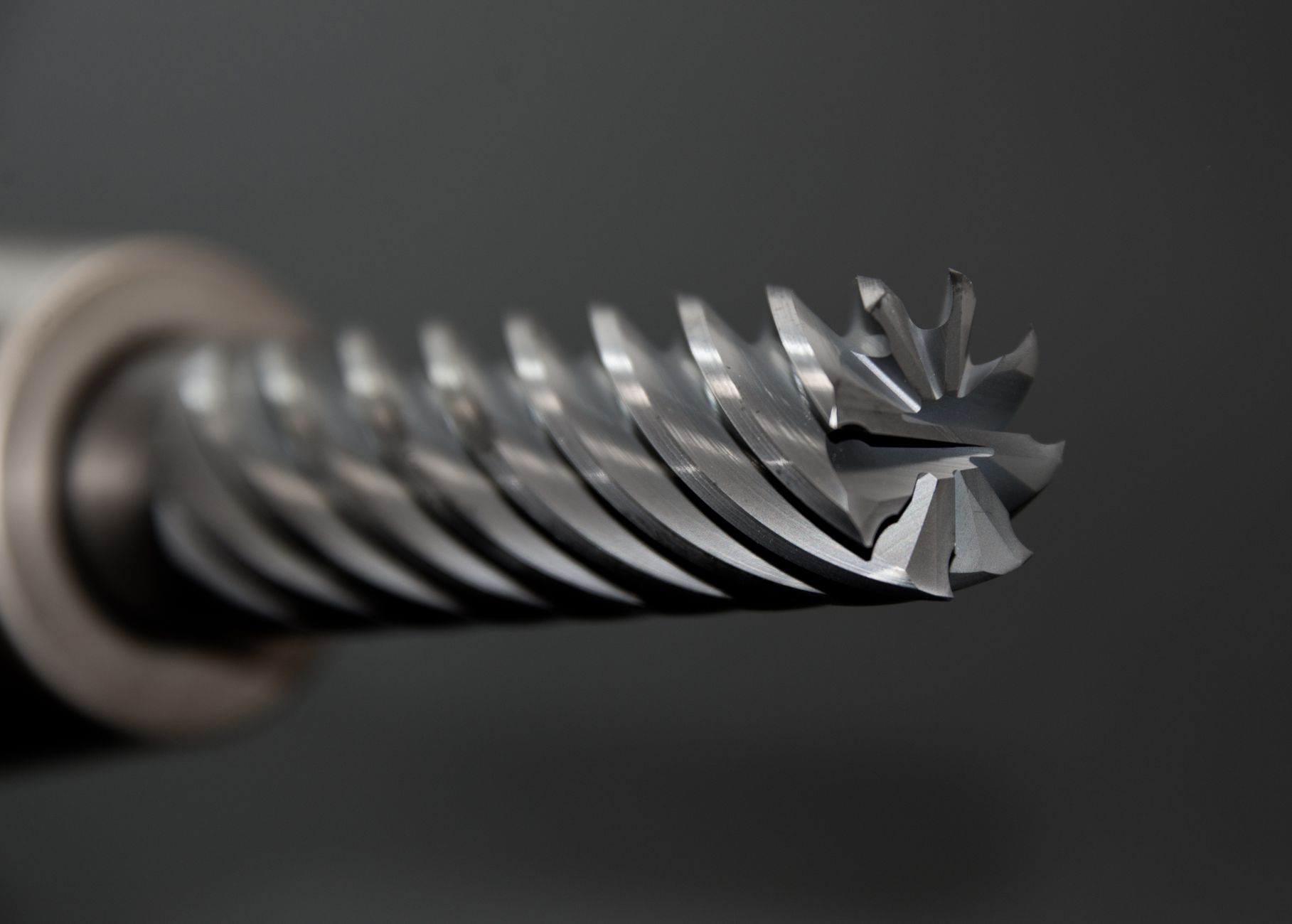
Choosing the right rotary engraving bit for metal promotional items is one of those decisions that looks deceptively simple on the surface — but gets complicated quickly once you’re dealing with different alloys, product shapes, engraving depths, and finish expectations. Whether you’re a corporate gifting manager in Melbourne overseeing a large run of engraved executive gifts, or an events team in Brisbane sourcing custom awards for an upcoming gala, understanding the fundamentals of bit selection will help you ask smarter questions, set realistic expectations, and ultimately get better results from your decoration supplier.
Why Rotary Engraving Bit Selection Matters for Metal Promotional Items
Rotary engraving — also known as mechanical engraving — uses a rotating cutting tool (the bit) to physically remove material from a surface. Unlike laser engraving, which uses heat to vaporise or oxidise a surface, rotary engraving cuts into the metal, producing crisp, tactile results with genuine depth and dimension. This method is particularly popular for corporate gifts, awards, trophies, branded drinkware, keyrings, name badges, and commemorative plaques.
But here’s the thing: not all metals behave the same way under a rotating cutter. Stainless steel is dramatically harder than aluminium. Brass machines beautifully but can smear if the wrong bit geometry is used. Zinc alloy (common in budget keyrings and promotional tokens) cuts cleanly but is brittle. Each of these differences demands a different approach to bit selection — and getting it wrong means chipped edges, rough finishes, and rejected product runs.
For businesses ordering branded metal merchandise in volume, this matters because it affects the quality, consistency, and turnaround time of your finished products. Understanding what goes into the process helps you make better decisions before your order even hits the production floor.
Understanding the Key Variables in Bit Selection
Bit Angle and Nose Width
Rotary engraving bits for metal come in a range of cutting angles — typically between 30° and 90°. The angle determines how the cut tapers as it goes deeper into the material.
- Narrower angles (30°–45°): Produce finer, sharper lines ideal for detailed logos, small text, and intricate artwork. These bits cut aggressively and work well on softer metals like aluminium and brass.
- Wider angles (60°–90°): Produce broader, more open cuts that are better suited to bold text, simple graphics, and harder metals like stainless steel. The wider geometry is more durable and less prone to chipping under heavy loads.
The nose width — the flat tip at the bottom of the bit — also plays a critical role. A zero-nose (pointed) bit gives you the sharpest line resolution but wears faster on hard metals. A small nose width (say, 0.1mm–0.2mm) provides a controlled flat-bottom cut that offers better durability during longer production runs.
Bit Material: High-Speed Steel vs Carbide
Most professional engravers working on metal promotional items use one of two bit materials:
High-Speed Steel (HSS): A cost-effective option that works well on softer metals — aluminium, anodised aluminium, brass, and some zinc alloys. HSS bits can be resharpened, making them economical for high-volume work on softer substrates. They’re less suitable for stainless steel, where the metal’s hardness will cause premature wear.
Solid Carbide: The go-to choice for engraving harder metals, including stainless steel and hard-anodised aluminium. Carbide bits maintain their cutting edge significantly longer than HSS on difficult materials, producing more consistent results across large batches. They’re more expensive upfront but cost-effective over a production run. For premium corporate metal gifts where finish quality cannot be compromised, carbide is almost always the right choice.
Engraving Depth and Speed Settings
Bit selection doesn’t happen in isolation — it works in conjunction with spindle speed, feed rate, and depth of cut. Running too fast with a narrow-angle carbide bit on thin stainless steel can cause chatter and surface marks. Running too slow with HSS on hard metal generates excessive heat and premature wear.
As a general guide for metal promotional items:
- Aluminium: Medium spindle speeds, moderate feed rates, HSS or carbide both viable
- Brass: Lower spindle speeds to reduce smearing, HSS performs well
- Stainless steel: High spindle speeds, slower feed rates, carbide strongly recommended
- Zinc alloy: Lower speeds, light depth of cut, sharp fine-angle bits
Matching Bits to Common Metal Promotional Products
Understanding bit selection in theory is one thing — but let’s connect it to the kinds of metal promotional products Australian businesses actually order.
Executive Gifts and Corporate Awards
Engraved metal awards and executive gifts — think crystal-metal combos, stainless steel business card holders, branded pen sets, or commemorative plaques — typically require the finest possible engraving quality. These items are presented in professional settings, and any rough edge or inconsistent line depth will be noticeable.
For these products, a narrow-angle (30°–45°) solid carbide bit with a zero or minimal nose width is appropriate, paired with precise depth control. If you’re ordering custom medals or awards for a recognition ceremony, it’s worth discussing finish expectations explicitly with your supplier. Our guide on custom medals for sporting achievement ceremonies in Australia covers how to set quality benchmarks when ordering engraved recognition items.
Branded Drinkware with Metal Components
Stainless steel drink bottles and tumblers are enormously popular in the corporate gifting space — and many organisations prefer laser engraving for these. However, rotary engraving is sometimes used on flat panels or lid surfaces of stainless steel drinkware for a distinctive tactile result. The curved surface of a bottle adds complexity, requiring the engraving machine to compensate for surface variation (a process called “depth following”), which makes bit selection even more critical. A carbide bit with a wider nose (0.2mm–0.3mm) is generally preferred here for durability and consistent depth on curved geometry.
Promotional Keyrings and Metal Tokens
Keyrings and tokens are typically made from zinc alloy, aluminium, or brass — all relatively forgiving materials. HSS bits in the 45°–60° range work well for most logo and text engraving on these items. Keep in mind that very small text (below 6pt equivalent) on zinc alloy can become illegible if the bit angle is too wide or the depth is too aggressive. If you’re considering metal tokens as event giveaways, they pair well with other branded merchandise categories — for instance, including them in packs alongside promotional USB thumb drives creates a complete, cohesive branded set.
Name Badges and Identification Plates
Anodised aluminium is the standard material for engraved name badges and identification plates. The anodising layer is removed by the engraving bit to expose the bright aluminium beneath, creating a high-contrast result. For this application, a narrow-angle HSS or carbide bit (30°–45°) at a shallow depth works perfectly. Too deep a cut removes more anodising than necessary and can create rough edges; too shallow and you don’t get through the anodising layer cleanly.
Practical Considerations When Briefing Your Supplier
When you’re briefing a supplier on a rotary-engraved metal promotional product, the following information helps them select the right bit configuration from the outset:
1. Provide your artwork in vector format. Rotary engraving requires precise toolpath generation from your artwork. Vector files (AI, EPS, or PDF) ensure the engraving software can accurately map line widths and shapes. Rasterised logos will not translate directly.
2. Specify the material and finish. The difference between brushed stainless steel and polished stainless steel matters — polished surfaces show engraving more crisply but are also more susceptible to visible tool marks if depth isn’t controlled.
3. Clarify minimum text size. Very fine fonts with thin strokes may not reproduce accurately at small sizes with rotary engraving. Your supplier can advise on minimum viable text sizing based on the bit width and material combination.
4. Ask about fill options. Rotary-engraved metal can be colour-filled (using paint or epoxy infill) to enhance contrast and branding impact. This is common on awards, plaques, and corporate gifts.
5. Discuss batch consistency. For large runs of metal corporate gifts — say, 250+ engraved items for a Sydney conference or Perth supplier event — ask about the supplier’s quality control process and whether they run test pieces before committing to full production.
These same principles apply when you’re sourcing other precision-decorated products. For example, the attention to material specification and artwork requirements that matters in metal engraving is equally relevant when ordering promotional cutting boards for kitchen and homewares brands or promotional garden tool sets for hardware store gifts — both of which often involve detailed surface decoration on varied substrates.
When Rotary Engraving Is (and Isn’t) the Right Choice
Rotary engraving is an excellent choice for metal promotional items when permanence, tactile depth, and a premium handcrafted feel are priorities. It’s industry-standard for awards, plaques, executive gifts, name badges, and commemorative items.
However, it’s not always the best fit. If your metal promotional item has a complex multi-colour logo, digital printing or pad printing may serve you better. If you need photographic detail or a very large engraving area, laser engraving offers broader flexibility. And if your branding involves a design that changes per unit (variable data, like personalised names), laser engraving typically offers faster turnaround for variable runs.
For organisations like charities sourcing recognition items, schools ordering event merchandise — such as harmony day branded multicultural merchandise — or healthcare teams building branded safety packs, the decoration method should always be matched to the product, the material, and the intended use before a commitment is made.
Conclusion: Key Takeaways
Rotary engraving bit selection for metal promotional items is a technical discipline that directly impacts the quality of your finished branded products. Understanding the basics helps you have more productive conversations with your supplier, set clear expectations, and avoid costly mistakes on high-value production runs.
Here are the key points to take away:
- Bit angle determines line sharpness: Narrower angles (30°–45°) suit fine detail on softer metals; wider angles (60°–90°) suit bold designs on harder metals like stainless steel.
- Carbide outperforms HSS on hard metals: For stainless steel and hard-anodised aluminium, solid carbide bits deliver better finish quality and longer tool life.
- Material knowledge is essential: Brass, aluminium, stainless steel, and zinc alloy all require different bit configurations, speeds, and depth settings.
- Artwork quality affects outcomes: Vector artwork with appropriate minimum text sizes is non-negotiable for clean, consistent rotary-engraved results.
- Always brief your supplier thoroughly: Providing material specifications, surface finish details, quantity, and quality expectations upfront ensures the right bit selection is made before your job goes into production.
When in doubt, ask your decoration supplier for a test sample before committing to a full run — especially on premium metal corporate gifts where finish quality is paramount.