
Branded Pint Glasses for Craft Brewery Merchandise Sales: The Complete Guide
Learn how to create and sell branded pint glasses for your craft brewery. Tips on decoration, MOQs, budgeting, and maximising merch revenue.

Written by
Callum Drake
Drinkware
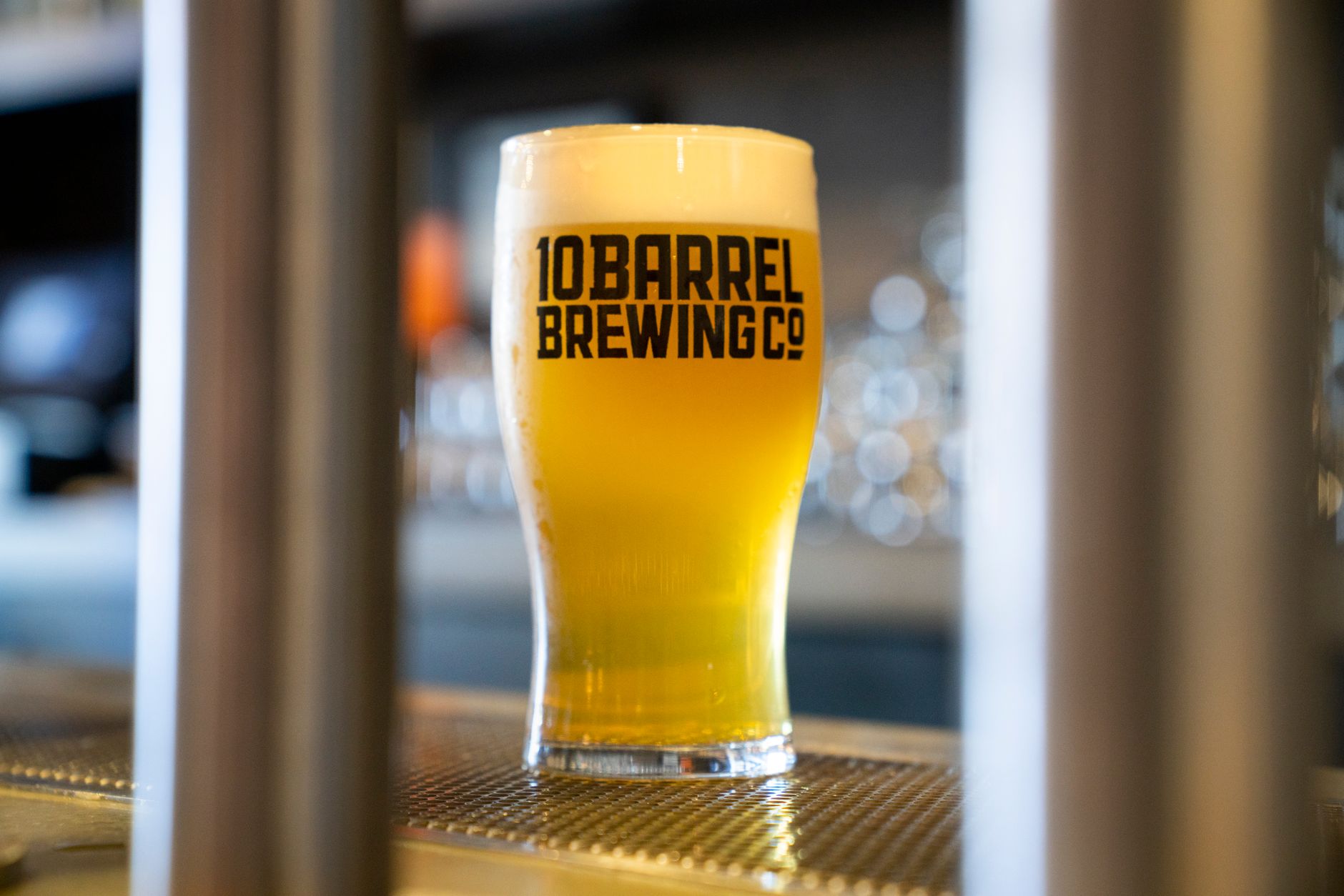
If you’ve ever watched a customer proudly carry a branded pint glass to the counter at your taproom, you already know the magic of great brewery merchandise. Branded pint glasses for craft brewery merchandise sales aren’t just a revenue stream — they’re walking advertisements, conversation starters, and emotional keepsakes that keep your brand alive long after the last drop of beer is gone. For Australian craft breweries navigating an increasingly competitive market, a well-executed pint glass range can meaningfully contribute to merchandise income while deepening customer loyalty. Whether you’re running a small batch operation out of Hobart, a bustling taproom in Fitzroy, or a regional brewery just outside Perth, this guide covers everything you need to know.
Why Branded Pint Glasses Are a Smart Merchandise Choice
Craft brewery merchandise has evolved dramatically over the past decade. Caps, hoodies, and tote bags all have their place, but few products match the utility and brand exposure of a branded pint glass. Your customers use them at home, bring them to barbecues, and inevitably show them off to friends. Every pour from that glass is a brand impression — and unlike a social media ad, it costs you nothing after the initial sale.
From a business perspective, branded glassware offers strong margin potential. A well-decorated 570ml pint glass purchased in bulk can cost as little as $4–$9 per unit depending on quantity, decoration method, and glass style, and retail comfortably at $15–$25 in your taproom or online store. The maths are compelling for breweries of all sizes.
There’s also the collector dimension. Australian craft beer enthusiasts are passionate collectors. Release limited edition seasonal glasses for a summer IPA or a winter stout, and you’ll generate the kind of organic excitement that even a slick marketing campaign can’t easily replicate. Pair this with your other seasonal promotions — take a look at how summer merchandise campaigns work for Australian businesses for broader ideas — and you have a playbook that drives repeat visits.
Choosing the Right Glass Style for Your Brand
Before you brief a supplier, you need to get clear on what type of pint glass best represents your brand identity and suits your beer range.
The Classic Shaker Pint
The 570ml shaker pint is the workhorse of Australian taprooms. It’s familiar, stackable, and easy to decorate with a consistent large branding surface. For breweries that want an accessible, everyday gift item that suits all beer styles, the shaker pint is a reliable default.
Tulip and IPA Glasses
Craft beer drinkers are increasingly knowledgeable, and many appreciate glassware that enhances the drinking experience. Tulip-style glasses with their outward flare and IPA glasses with their curved profile make excellent premium merchandise items. These carry a slightly higher unit cost but justify a higher retail price point and signal that your brewery takes the craft seriously.
Nonic Pint Glasses
The nonic — recognisable by its slight bulge near the top — is particularly popular in Queensland and New South Wales pubs and has a distinctly British craft character. If your brewery leans into that heritage, nonic glasses reinforce that positioning clearly.
Stein and Etch-Style Glassware
For breweries with a European heritage angle or a strong Oktoberfest-style event calendar, branded steins and etched glassware create an upmarket gifting option. These often work better as gift boxed sets, which we’ll cover in a moment.
Decoration Methods for Branded Pint Glasses
Choosing the right decoration method is just as important as choosing the glass itself. Each technique produces a different look, suits different budgets, and carries different minimum order quantities (MOQs).
Screen Printing
Screen printing is the most common decoration method for branded pint glasses in Australia and offers excellent vibrancy and durability when done correctly. It’s ideal for spot colour logos — a clean two or three-colour design will look sharp and last through countless dishwasher cycles when properly cured. Typical MOQs for screen-printed glassware sit around 72–144 units, making it accessible for most small to medium breweries. If you’re weighing up print options, our guide to spot colour vs full colour printing for promotional items is worth reading before you finalise your artwork brief.
Sandblasting and Etching
Etching produces a frosted, premium appearance that feels genuinely artisanal. It’s particularly popular for limited edition releases and premium gift sets. The effect is permanent and can’t chip or peel, which is a meaningful selling point for customers who genuinely intend to use the glass at home. Unit costs are higher, and MOQs can be lower than screen printing, making it a viable option for boutique runs.
Laser Engraving
Laser engraving on glassware creates a crisp, elegant finish. It’s best suited to simple logos and wordmarks rather than complex artwork. For breweries with a minimalist or modern aesthetic, laser engraved pint glasses can feel genuinely premium. For more on selecting the right engraving approach, our guide to rotary engraving bit selection for metal promotional items provides useful context on how engraving decisions affect the final result, even if your substrate is glass rather than metal.
Digital Ceramic Printing
Digital ceramic printing is an emerging method that allows full-colour, photographic-quality decoration directly onto glassware. It’s fired at high temperatures to create a durable finish. If your brewery artwork involves intricate label designs or multi-colour illustrations — think the kind of bold label art that Adelaide and Melbourne breweries have become known for — digital ceramic printing unlocks design possibilities that screen printing can’t match.
Planning Your Minimum Order Quantities and Budget
One of the most common mistakes breweries make is either ordering too few glasses and running out during peak summer months, or over-ordering and tying up cash in slow-moving stock. Getting your initial run right matters.
For a small taproom doing modest weekend foot traffic, starting with 144–288 units is generally sensible. This gives you enough stock for a quarter or two of regular sales, allows you to test pricing and customer response, and doesn’t create excessive warehousing pressure.
For breweries with a strong online store presence or those attending events and beer festivals across multiple cities — say a Sydney-based brewer selling at both the GABS Beer and Food Fest and regional farmers’ markets — a run of 500–1,000 units starts to make more sense, particularly when you factor in the significant per-unit cost reductions at higher volumes.
Budget carefully for setup fees. Screen printing on glassware typically involves a screen setup cost of $40–$80 per colour, per print position. These are one-off costs, so they become proportionally less significant the larger your order. Always request a pre-production digital proof and, where possible, a physical sample before committing to a full run.
Packaging and Presentation for Retail and Gift Sales
How you present branded pint glasses dramatically affects both their perceived value and your average transaction size. A glass sitting loose in a bin at $15 tells one story. That same glass in a kraft gift box with tissue paper and a QR code linking to your beer menu tells a very different story — and justifies a $28–$35 price tag.
Consider building gift sets that bundle a branded pint glass with complementary items. A paired glass and custom stubby holder set is a perennial favourite — take a look at custom printed stubby holders and our guide to cheap custom stubby holders for ideas on how to bundle these effectively at different price points.
You might also consider pairing glasses with branded reusable shopper bags or transparent PVC bags as gift packaging alternatives that double as additional branded merchandise.
Selling Branded Pint Glasses Beyond the Taproom
Smart breweries don’t limit their merchandise sales to the taproom counter. There are several additional channels worth considering.
Online Store Integration
A well-configured online store dramatically expands your reach. Customers who’ve visited from interstate — or interstate beer lovers who’ve never set foot in your brewery — can become merchandise customers. Pair your glass listings with compelling product photography and a clear size/capacity description to reduce returns and confusion.
Events, Festivals, and Markets
Beer festivals, food and wine events, and weekend markets represent high-footfall, impulse-purchase environments where branded glassware sells well. Consider how your merchandise table is presented: clear signage, tidy stock displays, and the ability to accept card payments all affect conversion. You might also explore promotional products in New South Wales to understand how other businesses approach event-based merchandise in one of Australia’s largest markets.
Corporate and Trade Gifting
Craft breweries often overlook the B2B gifting opportunity. A custom branded glass alongside a four-pack of your flagship beer makes an exceptional corporate gift. Approach local businesses, agencies, or venues about gifting programmes — particularly around end-of-year and event season. If you’re interested in how branded merchandise integrates into broader corporate gifting strategy, wristbands for events and branded water bottles are examples of products that corporate buyers frequently pair with food and beverage brands.
Common Mistakes to Avoid
Even experienced brewery operators make these errors when ordering branded glassware. Save yourself time, money, and frustration by keeping them in mind.
- Artwork supplied at low resolution. Always supply vector files (AI, EPS, or SVG) or high-resolution PNG files at 300dpi minimum. Raster files pulled from a website or Instagram will not reproduce cleanly.
- Ignoring decoration placement guidelines. Most suppliers have specific print area templates for each glass shape. Artwork placed too high or too close to the rim can interfere with curing and durability.
- Skipping the sample. A physical sample before your full run is always worth the small additional cost and short delay.
- Underestimating turnaround times. Standard production for decorated glassware in Australia typically runs 2–4 weeks from artwork approval. For festivals or event deadlines, factor in this lead time carefully.
Key Takeaways
Branded pint glasses for craft brewery merchandise sales represent one of the best value-to-impact branded products available to Australian breweries. Before you place your next order, keep these points front of mind:
- Choose your glass style intentionally — shaker pints suit everyday retail, while tulip and etched styles command premium pricing and appeal to collectors.
- Match your decoration method to your artwork and budget — screen printing suits bold spot-colour logos at scale, while etching and digital ceramic printing suit premium or detailed designs.
- Plan your MOQs carefully — start conservatively if you’re new to merch sales, and scale up once you’ve validated customer response and pricing.
- Think beyond the taproom — online stores, festivals, and corporate gifting channels all extend the reach of your merchandise programme without significant additional investment.
- Present your glasses well — gift boxing and bundling with complementary products like stubby holders or shopper bags meaningfully increases average order value and perceived brand quality.
With the right glass, the right decoration, and a clear sales strategy, your branded pint glasses can become one of the most effective marketing and revenue tools your brewery owns.