
How to Put Your Company Logo on Shirts: A Complete Guide for Australian Businesses
Learn how to get your company logo on shirts the right way — from choosing decoration methods to budgeting and ordering tips for Australian businesses.

Written by
Daniel Voss
Corporate Gifts
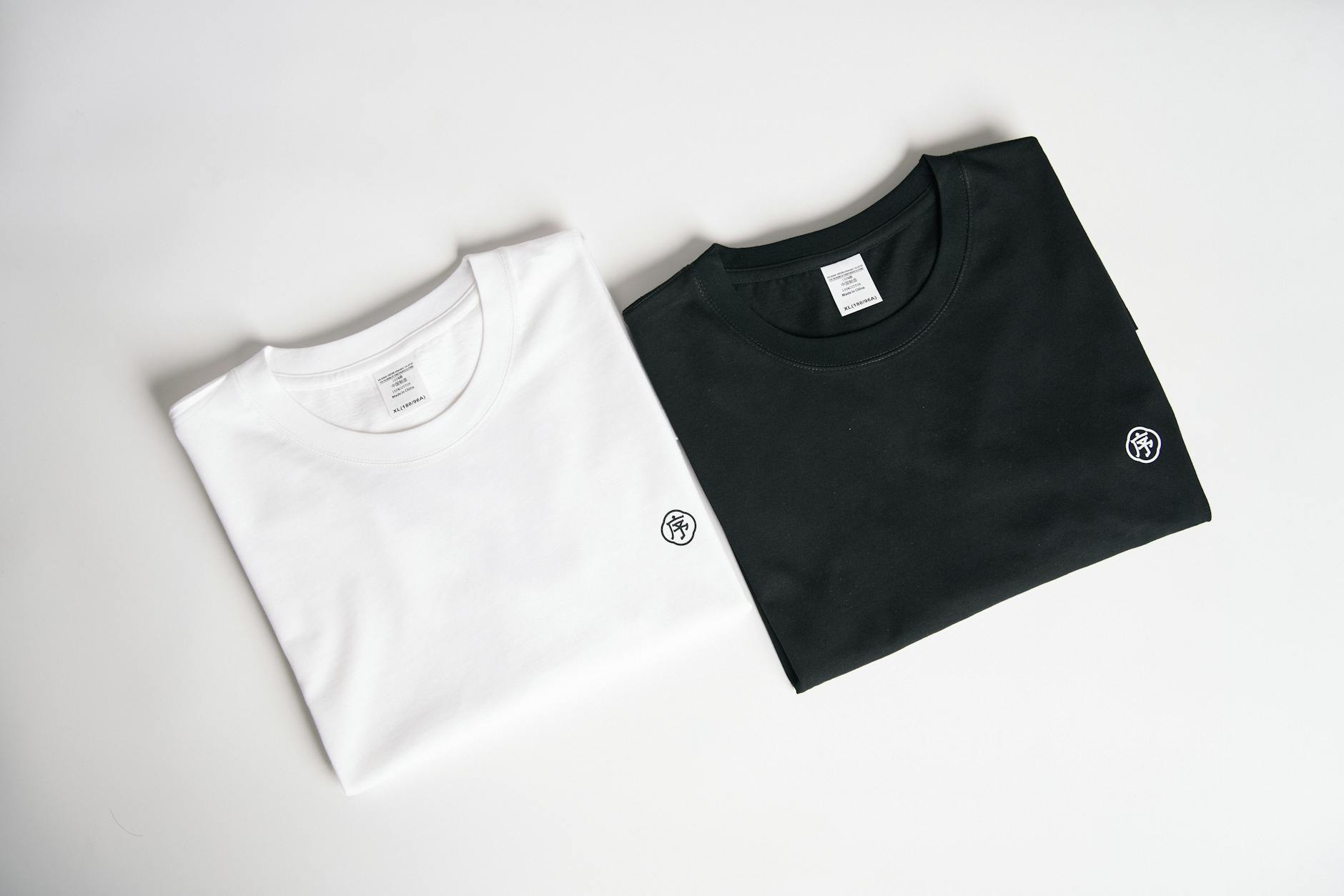
Getting your shirt company logo right the first time can be the difference between branded workwear that impresses clients and merchandise that ends up stuffed in a drawer. Whether you’re a Sydney-based corporate team preparing for a conference, a Brisbane retail business kitting out your staff, or a Melbourne startup building brand awareness through custom apparel, putting your logo on shirts is one of the most powerful and cost-effective branding decisions you can make. But with so many decoration methods, garment options, and suppliers to navigate, it’s easy to feel overwhelmed before you’ve even started. This guide breaks down everything you need to know — clearly, practically, and with Australian businesses in mind.
Why Branded Shirts Are One of the Smartest Investments for Your Business
Before diving into the how, it’s worth understanding the why. Branded shirts do something that most other marketing materials simply can’t — they turn your team into walking advertisements. Every time a staff member wears a shirt with your company logo, they’re generating brand impressions in the real world: on the street, at events, in meetings, and during client visits.
For industries like construction, hospitality, healthcare, real estate, and retail, having a consistent, professional appearance builds immediate trust. A Gold Coast real estate agency with agents wearing sharp branded polos signals credibility. A Perth trades business with hi-vis shirts featuring the company logo communicates professionalism on every job site.
Beyond the practical benefits, branded apparel contributes to team culture. It creates a sense of unity, particularly in larger organisations where staff might not interact daily. And unlike a digital ad that disappears the moment someone scrolls past it, a well-made branded shirt sticks around for years.
It’s also worth noting that the branded merchandise sector continues to grow, with wearable technology and branded merchandise statistics showing strong upward trends in how businesses invest in physical brand touchpoints.
Choosing the Right Shirt for Your Company Logo
Not every shirt suits every logo or every business. Getting the garment selection right before you think about decoration will save you money, time, and frustration.
T-Shirts
The classic choice for casual environments, events, and team days. If you’re ordering white t-shirts in bulk, they typically represent the most budget-friendly option and work brilliantly with almost every decoration method. Consider the fabric weight (measured in GSM — grams per square metre) when making your selection. Heavier shirts (180–200 GSM) feel more premium and hold their shape better after repeated washing, which matters for workwear that sees daily use.
For businesses focused on event merchandise or team-building activations, a well-printed t-shirt is hard to beat. You can learn more about your decoration options in our guide to t-shirt printing methods and techniques.
Polo Shirts
Polos strike the perfect balance between casual and professional. They’re a favourite for corporate teams, tradies, retail staff, and sporting clubs alike. Logos embroidered onto the chest of a polo shirt create a polished, premium look that screen-printed alternatives sometimes can’t replicate on textured fabrics.
Performance and Sports Shirts
If you’re outfitting a team for sport clothing activities, a corporate fun run, or an outdoor event, performance shirts made from moisture-wicking polyester blends are the smart choice. Sublimation printing is particularly well-suited to these garments, as it produces vibrant, all-over colour without affecting the fabric’s breathability.
Hi-Vis Workwear
For construction, logistics, mining, and event management teams operating outdoors, compliant hi-vis shirts are a non-negotiable. A company logo printed or embroidered onto certified workwear communicates professionalism while meeting Australian safety standards.
Decoration Methods for Getting Your Logo on Shirts
This is where many businesses get confused — and it’s arguably the most important decision in the entire process. Each decoration method has its strengths, limitations, and ideal use cases.
Screen Printing
Screen printing is the industry workhorse for a reason. It’s cost-effective at scale, produces vibrant colours, and is extremely durable. If you’re ordering more than 50 shirts with a relatively simple logo (think: two or three colours), screen printing is almost always your best value option.
The key consideration is setup. Each colour in your design requires a separate screen, which means setup fees apply per colour. Understanding the difference between spot colour vs full colour printing for promotional items is essential before you commit to a method, especially if your logo uses a gradient or photographic elements.
Embroidery
Embroidery creates a textured, three-dimensional finish that reads as genuinely premium. It’s the preferred method for polos, caps, jackets, and any garment where you want to project a professional, corporate image. Logos are digitised — converted into a stitch file — before production begins, which incurs a one-time setup fee.
Embroidery works best with logos that have clear, defined shapes and aren’t too intricate. Very fine details and small text can lose definition when stitched. If your logo contains thin lines or delicate elements, discuss this with your decorator before finalising your artwork.
Sublimation Printing
Sublimation is ideal for performance sportswear and sports clothes because the dye is bonded directly into the fabric fibres rather than sitting on top. The result is a print that won’t crack, peel, or fade — even after hundreds of washes. The limitation is that sublimation only works on white or very light-coloured polyester-based fabrics, and typically the entire garment (or panel) needs to be printed.
Heat Transfer
Heat transfer methods range from vinyl cutting (great for names and numbers on sports jerseys) to digital heat transfer (ideal for small runs with complex, full-colour logos). It’s a flexible option when order quantities are low, though it may not offer the same durability as screen printing or embroidery on high-use garments.
Practical Ordering Tips for Australian Businesses
Understanding the decoration methods is half the battle. The other half is navigating the ordering process itself — and there are a few key details that trip up first-time buyers.
Minimum Order Quantities (MOQs)
Most Australian decorators require a minimum order quantity. For screen printing, MOQs typically start at 20–50 units per design. Embroidery often has lower minimums — sometimes as few as 10–12 pieces — because there are no screen setup costs. If you only need a handful of shirts, consider heat transfer or digital printing, which can accommodate very small runs.
Artwork Requirements
Your logo needs to be supplied in the right format. Vector files (AI, EPS, PDF with embedded fonts) are the gold standard because they can be scaled to any size without losing quality. If you only have a low-resolution PNG from your website, your decorator may need to redraw the artwork, which adds cost and time.
If your brand colours are specified in PMS (Pantone Matching System) values, provide these to your decorator. PMS colour matching ensures your shirt company logo appears exactly the right shade of red, blue, or green — not a close approximation.
Turnaround Times
Standard production turnaround for custom shirts in Australia typically ranges from 10–15 business days after artwork approval. Rush services are available from many decorators, though they come at a premium. If you’re ordering for an event — a conference in Adelaide, a trade show on the Gold Coast, or a team day in Hobart — build in at least three weeks to avoid last-minute stress.
Ordering Samples
For large orders, always request a pre-production sample or a physical strike-off before full production begins. This lets you check the logo placement, colour accuracy, and garment quality before committing your full budget.
Thinking Beyond Shirts
Once you’ve nailed your branded shirt program, it’s natural to think about extending your brand across other merchandise categories. Many businesses pair custom shirts with items like branded water bottles, wristbands, custom stubby holders, personalised stubby holders, or printed stubby holders for events, giveaways, and team activations. For summer promotions particularly, these products work beautifully alongside branded apparel — you can explore more ideas in our roundup of summer corporate giveaways in Australia.
Other popular companion products include promotional USB drives, branded tote bags, trolley bags, wide-brimmed hats, and even custom phone cases — all of which can carry your company logo and extend your brand’s reach.
Budgeting for Your Branded Shirt Order
Budget is always a key consideration, and the good news is that custom shirts offer excellent value at scale. Here’s a rough framework:
- Basic screen-printed t-shirts (1–2 colour logo, 50+ units): $12–$25 per shirt depending on garment quality
- Embroidered polo shirts (chest logo, 24+ units): $25–$55 per shirt depending on fabric and stitch count
- Sublimated performance shirts (full colour, 20+ units): $20–$45 per shirt depending on complexity
Setup fees are generally a one-off cost — once your screens or digitised embroidery files are created, repeat orders are cheaper. Factor in GST, freight, and any artwork fees when building your budget.
Conclusion: Key Takeaways for Getting Your Shirt Company Logo Right
Getting your company logo onto shirts professionally doesn’t need to be complicated — but it does require some upfront planning to get the result your brand deserves. Here’s a quick summary to take away:
- Choose your garment based on end use — t-shirts for casual events and giveaways, polos for corporate and retail environments, performance shirts for outdoor and sporting applications
- Match your decoration method to your logo — screen printing for bold, multi-colour logos at volume; embroidery for premium, textured finishes on polo shirts and jackets; sublimation for sportswear and all-over prints
- Prepare your artwork properly — supply vector files with PMS colour references to avoid costly redrawing fees and colour inaccuracies
- Plan your timeline — allow at least three weeks from artwork approval for standard orders, especially if you’re ordering for a specific event or deadline
- Think about the bigger picture — branded shirts are the centrepiece of many merchandise programs, but pairing them with complementary products creates a more cohesive, memorable brand experience
With the right preparation and a clear brief, your shirt company logo can become one of your most visible and effective brand assets — worn proudly by your team and noticed by everyone around them.