
How to Print on a T-Shirt: A Complete Guide for Australian Businesses and Teams
Learn how to print on a t-shirt for your business or event with this expert Australian guide covering methods, costs, MOQs and tips.

Written by
Ryan Gallagher
Custom Apparel
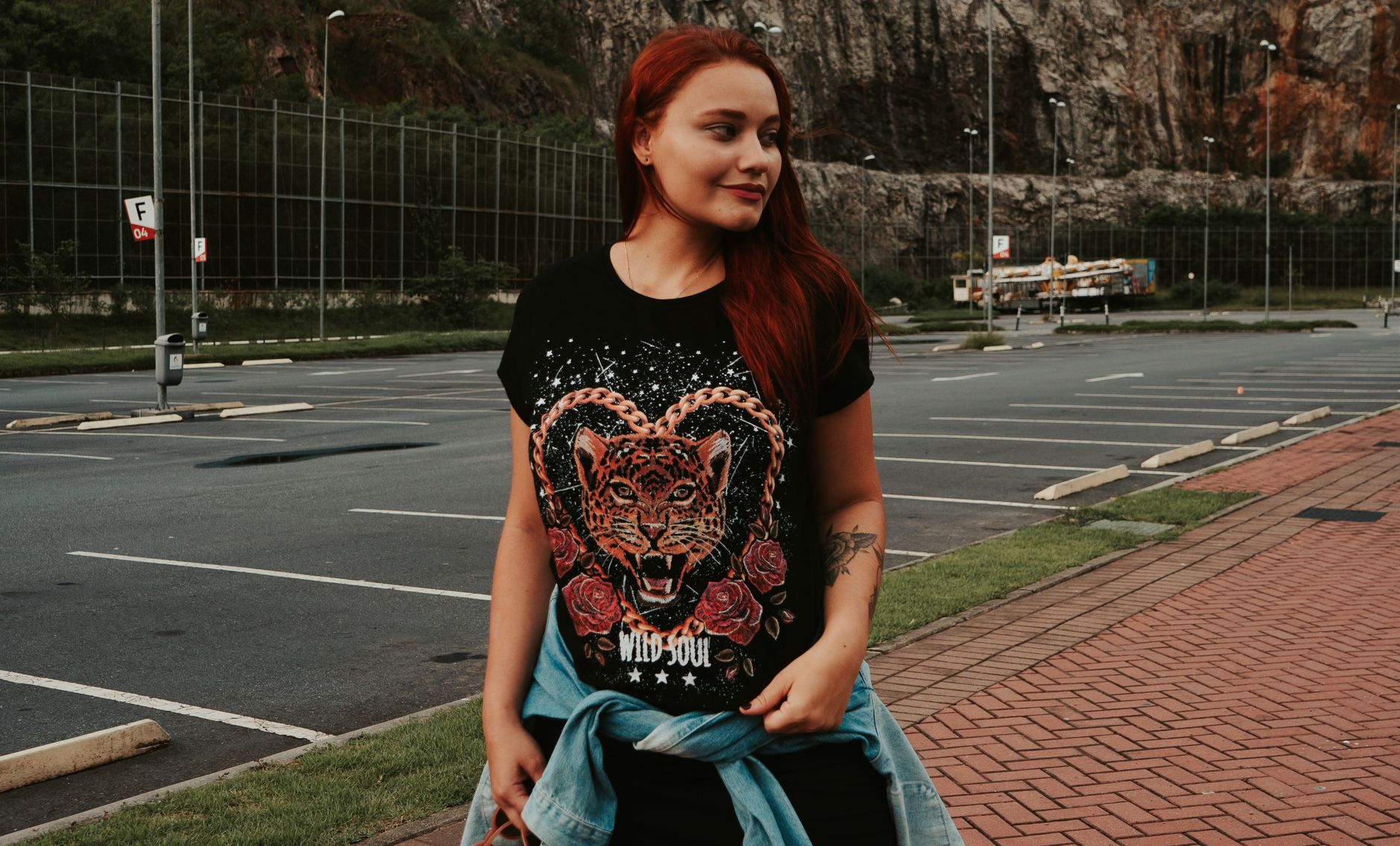
Choosing how to print on a t-shirt sounds straightforward — until you’re knee-deep in decisions about decoration methods, artwork formats, fabric types, and minimum order quantities. Whether you’re organising uniforms for a Sydney corporate team, sourcing merchandise for a Melbourne conference, or kitting out a Brisbane sporting club, the details really do matter. Get it right, and your custom t-shirts become powerful brand ambassadors. Get it wrong, and you’re stuck with a batch of shirts that fade after three washes. This guide walks you through everything you need to know about t-shirt printing in Australia, from choosing the right method to managing your order from brief to delivery.
Why Custom T-Shirt Printing Remains One of the Most Popular Branded Merchandise Choices
There’s a reason custom t-shirts have remained a staple of branded merchandise for decades. They’re versatile, cost-effective at scale, and genuinely useful — which means recipients actually wear them. A t-shirt that gets worn around town, at the gym, or to a school event effectively becomes a walking billboard for your organisation.
In Australia, custom apparel is used across almost every sector. Schools run sports days in custom-printed tees. Corporations deck out their event staff. Charities print fundraising shirts. Trade show exhibitors dress their booth teams in branded gear. The demand is consistent and broad — and as industry research on promotional product effectiveness by sector confirms, apparel consistently ranks among the highest-performing promotional product categories in terms of brand recall and impressions delivered over time.
The key to making the most of your investment is understanding your options before you order.
Understanding the Main Methods to Print on a T-Shirt
Not all printing methods are created equal. Each has its strengths, ideal use cases, and limitations. Here’s a breakdown of the most common techniques used in Australia.
Screen Printing
Screen printing is the industry workhorse — and for good reason. It’s cost-effective for larger runs, delivers vibrant and durable results, and works beautifully on cotton and cotton-blend fabrics. The process involves pushing ink through a mesh stencil (or screen) onto the fabric, one colour at a time.
The catch? Each colour in your design requires a separate screen, which means there are setup fees involved. For designs with three or more colours, costs can climb quickly on small runs. Screen printing typically becomes highly cost-effective from around 24 to 50 units and above.
If you’re ordering t-shirts for a Perth corporate event or a Canberra government department’s team day, screen printing is often the go-to for clean, long-lasting results on solid colour designs.
Heat Transfer Printing
Heat transfer involves printing your design onto a special transfer paper, which is then applied to the fabric using heat and pressure. It’s a good option for smaller quantities and photographic or full-colour designs, and it allows for greater flexibility with colour without the setup costs of screen printing.
The trade-off is durability. Heat transfers can crack or peel over time, particularly if garments are washed frequently or at high temperatures. For promotional t-shirts that won’t see heavy regular use — think event giveaways or conference shirts — this is often perfectly acceptable.
Direct-to-Garment (DTG) Printing
DTG printing works like an inkjet printer for fabric. It can handle complex, full-colour designs with gradients, photographic detail, and fine lines — all with no setup fees. This makes it ideal for very small runs (even single units), custom one-off designs, or personalised t-shirts.
The limitation is that DTG works best on light-coloured, 100% cotton garments. Results on dark or polyester fabrics can be less vibrant, and costs per unit remain higher than screen printing at scale.
Sublimation Printing
Sublimation is a different beast entirely. The dye is infused directly into the fabric, making it permanent and incredibly vibrant. It’s particularly popular for sportswear and performance fabrics because the print won’t crack, peel, or fade.
The key requirement is that sublimation only works on white or light-coloured polyester garments. It’s not suitable for cotton. For sports clubs in Adelaide or Gold Coast teams needing high-performance kit, sublimation is often the preferred route.
Embroidery
While not strictly “printing,” embroidery deserves a mention here because it’s a popular decoration method for t-shirts — especially corporate polo shirts and workwear. A logo stitched in thread delivers a premium, tactile result. It’s particularly effective on chest logos, sleeve details, and collars.
For a deeper comparison of these approaches, our guide to spot colour vs full colour printing for promotional items is well worth reading before you brief your supplier.
Key Factors to Consider Before You Place Your Order
Artwork Requirements
Getting your artwork right before you order will save you significant time and money. Most t-shirt printers require vector files — typically Adobe Illustrator (.ai) or EPS formats — for screen printing and embroidery. These files can be scaled without losing quality.
For DTG and heat transfer, high-resolution PNG or PDF files (at least 300dpi at print size) are usually acceptable. If you’re unsure about your artwork, ask your supplier for a pre-press check before production begins. Many will provide a digital proof for approval, which you should review carefully before signing off.
Colour accuracy is another consideration. If your brand has specific PMS (Pantone Matching System) colours, make sure you communicate them clearly. Screen printing allows for PMS matching; DTG and sublimation work in CMYK and may not match PMS colours exactly.
Fabric and Garment Selection
The decoration method you choose will partly be determined by the fabric. 100% cotton is the most versatile substrate and works with screen printing, DTG, and heat transfer. Polyester and performance blends are best suited to sublimation. For blended workwear fabrics, screen printing and heat transfer are both viable.
Consider the end use too. A t-shirt being worn at a one-day event has different requirements than a uniform that will be laundered weekly for three years. Heavier weight garments (180gsm and above) generally offer better print durability and a more premium feel.
Minimum Order Quantities
MOQs vary significantly by method. DTG and heat transfer can often accommodate runs as small as 1–5 units. Screen printing typically has minimums of 12–24 units, though many suppliers set their sweet spot at 50+. Sublimation tends to have moderate minimums and works well from around 20 units.
If you’re ordering a range of sizes, remember that most screen printers will break your total quantity across sizes — so 50 shirts across five sizes still meets a 50-unit MOQ.
Turnaround Times
Standard turnaround for custom t-shirt printing in Australia typically ranges from 7 to 14 business days once artwork is approved. Rush turnarounds of 3–5 business days are often available for an additional fee, though availability varies by supplier and method.
If you’re ordering for a specific event — a conference in Melbourne or a charity fun run in Brisbane — always build in buffer time. Artwork revisions, size confirmation delays, and shipping to regional areas like Darwin or Hobart can all add days to your timeline.
Budgeting for Your T-Shirt Printing Project
Per-unit pricing for custom t-shirts varies widely based on method, quantity, number of print colours, and garment quality. As a rough guide:
- Screen printing: From around $12–$25 per unit at moderate quantities (50–100 units), depending on colours and garment quality
- DTG: From around $20–$40 per unit for small runs, reducing with quantity
- Heat transfer: Comparable to DTG for small quantities, often cheaper at mid-range runs
- Sublimation: From around $25–$50 per unit depending on complexity and garment type
Don’t forget to factor in setup fees (common with screen printing), freight costs, and GST. If you’re ordering branded merchandise alongside your t-shirts — for example, custom stubby holders or shopper bags for an event pack — ordering from a single supplier can sometimes reduce overall freight costs.
It’s also worth understanding the broader compliance landscape for branded products; our overview of promotional product compliance and safety standards in Australia is a useful reference for any organisation managing procurement.
Common Mistakes to Avoid When You Print on a T-Shirt
Even experienced buyers make avoidable mistakes. Here are the most common ones:
Not ordering a sample first. For large runs, always request a production sample or pre-production proof. What looks good on screen can look very different in person.
Underestimating size distribution. Many first-time buyers don’t order enough larger sizes. Sizes XL and 2XL often run out first. Survey your team or audience in advance if possible.
Using low-resolution artwork. Supplying a logo pulled from a website (typically 72dpi) instead of a proper vector file is one of the most common causes of print delays.
Leaving it too late. Tight deadlines limit your options and often cost more. As a rule, brief your supplier at least three weeks before your in-hand date for standard orders.
Ignoring wash care. Printed t-shirts last longer when washed inside out in cold water. Include care instructions if you’re distributing to a team or audience who may not know this.
For organisations exploring how branded merchandise performs across different contexts, it’s worth checking out wearable technology and branded merchandise growth statistics to understand how apparel fits within the broader branded product landscape.
Expanding Your Branded Apparel Range
Once you’ve nailed your t-shirt printing brief, consider whether other apparel items could complement your program. Wide-brimmed hats are a popular addition for outdoor events and summer campaigns. Hi-vis workwear is essential for construction and trades clients. Caps, hoodies, and polos all extend the wearable brand touchpoints you can offer.
For event organisers putting together merchandise packs, combining custom apparel with items like branded power banks, promotional USB drives, or photo frame magnets can round out a compelling and memorable kit.
If you’re running a campaign with a seasonal or lifestyle theme, spring branded garden kits or promotional cutting boards can complement your apparel and create a cohesive branded experience.
Conclusion: Key Takeaways for Printing on a T-Shirt in Australia
Custom t-shirt printing is one of the most accessible and effective branded merchandise strategies available to Australian businesses, teams, and organisations. The process becomes much smoother when you approach it with a clear understanding of your options.
Here are the key takeaways to keep in mind:
- Match your decoration method to your needs: Screen printing suits large, single-colour runs; DTG is best for small quantities and complex artwork; sublimation is ideal for polyester sportswear
- Prepare your artwork correctly: Vector files are your best friend for most print methods — high resolution, correct colour mode, and PMS references noted
- Plan your timeline: Allow at least three weeks for standard production and delivery; rush jobs cost more and limit your options
- Request samples for large orders: Never approve a major print run without seeing a physical sample or proof first
- Think about the full merchandise mix: T-shirts are most effective as part of a broader branded merchandise strategy that extends your organisation’s visibility across multiple touchpoints
Whether you’re a first-time buyer in Adelaide or a seasoned procurement manager in Sydney, getting the fundamentals right will ensure your next print on a t-shirt project delivers real value for your brand.