
Brand Name Apparel for Business: How to Choose, Customise, and Order Smart
Discover how to choose and customise brand name apparel for your business, team, or event. Expert tips on decoration, ordering, and budgeting.

Written by
Ryan Gallagher
Custom Apparel
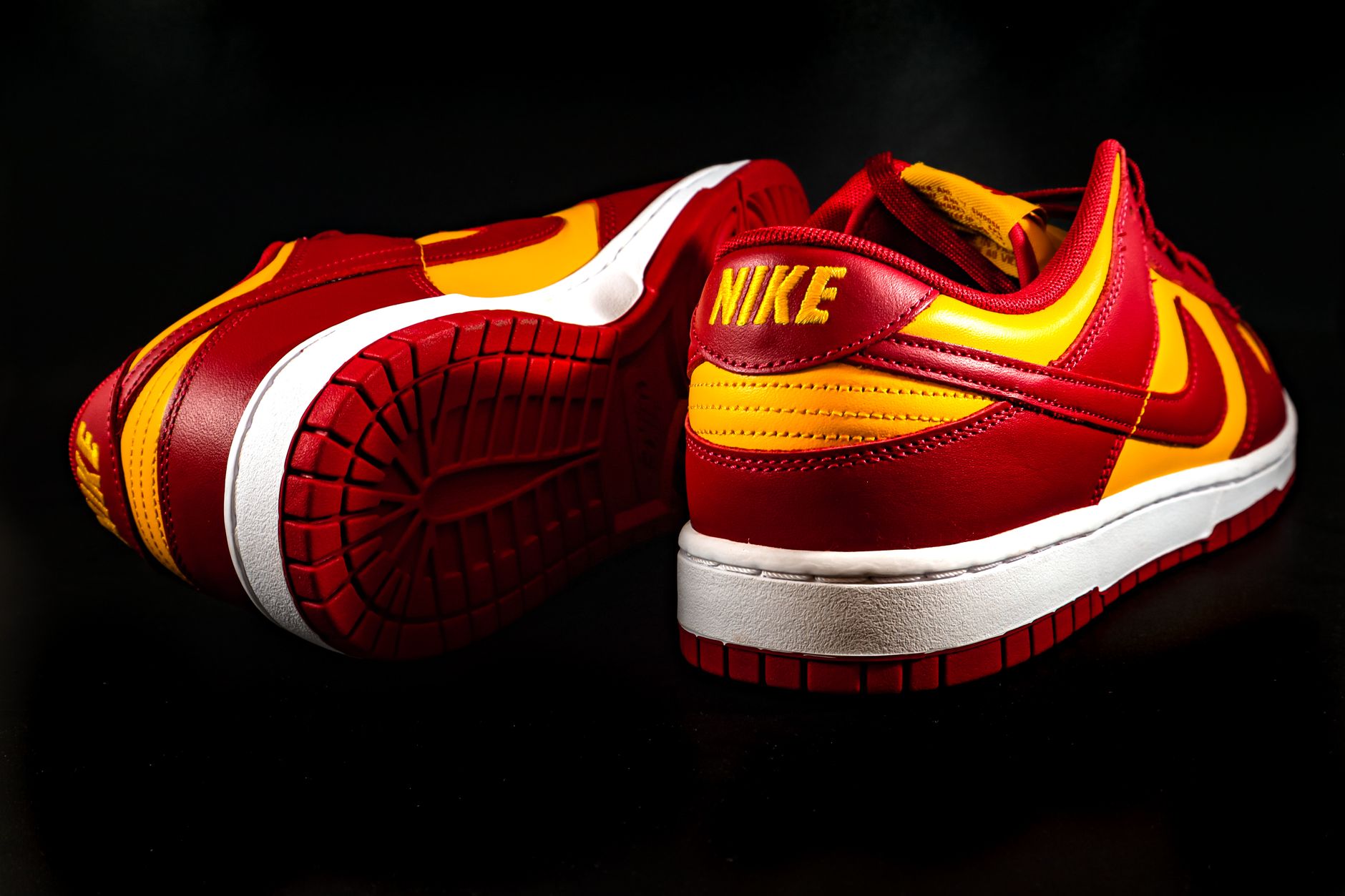
When it comes to making a lasting impression — whether at a trade show in Sydney, a staff onboarding day in Melbourne, or a corporate conference on the Gold Coast — what your team wears speaks volumes before anyone says a word. Brand name apparel is one of the most powerful tools in any organisation’s promotional arsenal, combining visibility, professionalism, and team cohesion into a single wearable package. But choosing the right branded clothing, getting the customisation right, and managing the ordering process efficiently are areas where many businesses stumble. This guide covers everything you need to know to make smart, confident decisions about branded apparel for your organisation.
What Is Brand Name Apparel and Why Does It Matter?
Brand name apparel refers to clothing items that carry your organisation’s branding — whether that’s your logo, tagline, team name, or a combination of all three. It encompasses everything from embroidered polo shirts for a Canberra government department to screen-printed event t-shirts for a Brisbane music festival, or custom hoodies for a Perth university student club.
The distinction worth understanding here is between “brand name apparel” (clothing that represents your brand) and wearing third-party fashion labels. In the promotional products world, the focus is firmly on making your brand the centrepiece. That said, the quality and style of the garment you choose to decorate absolutely matters — because the garment itself reflects on your brand.
The Business Case for Branded Clothing
The ROI on well-designed branded apparel is difficult to ignore. Consider this: a quality polo shirt worn three times a week over two years generates thousands of brand impressions with virtually zero ongoing cost after the initial investment. For corporate teams, branded workwear creates a unified, professional image that builds trust with clients. For events, it makes staff instantly identifiable. For school fundraisers or sporting clubs in Adelaide or Darwin, it builds community pride and belonging.
Beyond impressions, branded apparel functions as a walking endorsement. When your staff or supporters wear your logo out in the world, they become brand ambassadors. That kind of organic reach is something no digital ad campaign can fully replicate.
How to Choose the Right Garments for Your Brand
Selecting the right garment is where many organisations make their first mistake — defaulting to the cheapest option without considering fit, fabric quality, or appropriateness for the audience. Here’s how to approach it strategically.
Match the Garment to the Context
Different situations call for different apparel choices. A corporate law firm in Melbourne ordering polo shirts for client-facing staff needs a very different product from a Gold Coast surf school outfitting its instructors. Think about:
- Work environment: Is your team indoors or outdoors? In air-conditioning or on a construction site? Our guide to hi-vis workwear and branded safety apparel covers options for trade and industrial contexts in detail.
- Audience expectations: A tech startup in Sydney might lean into casual custom hoodies or tees, while a financial services firm would likely opt for structured polos or button-down shirts.
- Climate and seasonality: Brisbane and Darwin teams may prioritise lightweight moisture-wicking fabrics, while Melbourne or Hobart businesses ordering winter staff kits will want fleece or softshell options.
Fabric Quality and Weight
Fabric composition directly affects how your decoration looks and how long the garment lasts. 100% cotton is breathable and prints beautifully, making it a popular choice for screen printing. Cotton-poly blends offer better shape retention and are often more durable. Performance polyester fabrics work well for sublimation printing and are ideal for sporting or outdoor environments.
For premium brand name apparel, look for garments with a decent GSM (grams per square metre) rating. A 180–200GSM cotton tee is a solid standard; anything lower tends to look and feel cheap, which is the last thing you want associated with your brand.
Sizing and Fit
Always order a size run that genuinely reflects your team or audience. Inclusive sizing — offering options from XS through to 3XL or beyond — ensures everyone receives something they’re comfortable wearing, which increases the likelihood garments actually get worn. Unworn branded apparel defeats the entire purpose. For corporate teams, consider whether you want a fitted or relaxed cut, and whether unisex sizing works or you need to offer separate men’s and women’s styles.
Decoration Methods for Brand Name Apparel
Once you’ve chosen your garment, the next major decision is how to apply your branding. Different decoration techniques suit different fabrics, order quantities, and design styles. Getting this right is critical to achieving a result that looks professional and lasts. You can explore this topic in more depth in our comprehensive guide to apparel decoration methods.
Embroidery
Embroidery is the gold standard for corporate brand name apparel. It gives polo shirts, caps, and jackets a premium, tactile finish that’s associated with quality. Embroidery is extremely durable — it won’t crack, peel, or fade — and works brilliantly on thicker fabrics. The trade-off is cost: setup involves digitising your artwork into a stitch file, which carries an upfront fee, and embroidery becomes less cost-effective for large, complex designs.
Best suited for: polo shirts, caps, workwear jackets, bags, and corporate polos where a high-end finish is expected.
Screen Printing
Screen printing is the workhorse of the promotional apparel industry. It delivers vibrant, durable prints at a cost that scales down significantly with volume. It’s ideal for t-shirts, hoodies, and other casual garments where you need bold, consistent colour across large quantities. Screen printing requires a separate screen per colour, so designs with many colours can increase setup costs — simpler designs with one to four colours tend to be the most cost-efficient. Check out our screen printing vs embroidery comparison to understand when to choose each method.
Sublimation Printing
Sublimation is the best choice for all-over prints or complex, full-colour designs. The dye is infused directly into the fabric rather than sitting on top, resulting in a print that genuinely won’t crack or fade. However, sublimation only works effectively on white or very light-coloured 100% polyester garments. It’s a popular option for custom sportswear, event polos, and performance tees. Learn more in our guide to sublimation printing for branded apparel.
Heat Transfer and DTG
Direct-to-garment (DTG) printing works similarly to an inkjet printer applied directly to fabric. It’s excellent for short runs with complex designs where screen printing setup costs would be prohibitive. Heat transfer is another short-run option, useful for name personalisation or small quantity orders. Both methods are less durable than screen printing or embroidery but offer flexibility that’s hard to match at low quantities.
Ordering Brand Name Apparel: What You Need to Know
Understanding the practical side of ordering branded clothing will save you time, money, and headaches. Here are the key considerations.
Minimum Order Quantities (MOQs)
Most decoration methods carry minimum order quantities. Screen printing typically starts from 10–25 pieces, while embroidery can sometimes start from as few as 6. Sublimation and cut-and-sew custom garments usually require higher MOQs — often 50 pieces or more. If you’re a small team or ordering for a one-off event, DTG or heat transfer may be your most practical route. For guidance on navigating MOQs, our buying guide for small-quantity branded apparel orders is worth a read.
Turnaround Times
Standard production for most branded apparel orders in Australia runs between 10–15 business days after artwork approval. Rush orders are possible but usually attract an additional fee and may limit your decoration options. If you’re ordering for a specific event date — say, a staff conference in Adelaide or a product launch in Melbourne — build in buffer time and aim to have your artwork ready at least four weeks out.
Budgeting Realistically
Costs vary widely depending on garment quality, decoration method, quantity, and the number of print locations (e.g. front chest, back, sleeve). As a rough guide for 2026:
- Basic screen-printed tees: $12–$25 per unit at 50+ pieces
- Embroidered polo shirts: $25–$55 per unit depending on garment quality
- Custom sublimated polos: $30–$60 per unit at 25+ pieces
Setup fees, freight, and GST should all be factored into your total budget. Our guide to budgeting for branded corporate apparel breaks this down in more detail.
Artwork Requirements
Providing print-ready artwork in vector format (AI or EPS files) is strongly recommended. Raster images like JPEGs can work for DTG printing but may cause issues with screen printing or embroidery. PMS colour matching ensures your brand colours are reproduced accurately across different decoration methods and garment colours. For tips on preparing your files, see our artwork setup guide for branded merchandise.
Tips for Getting the Most from Your Branded Apparel Investment
Even with perfect product and decoration choices, a few strategic decisions at the planning stage can significantly amplify your return:
- Order a slightly larger quantity than you need. Top-up orders are usually more expensive per unit than ordering extra upfront, especially with screen printing where setup costs are fixed.
- Keep branding clean and purposeful. A simple, well-placed logo almost always outperforms an overcrowded design. White space is your friend.
- Request physical samples or pre-production proofs before full production. This is especially important for new garment styles or complex decoration.
- Store and distribute smartly. If you’re ordering bulk corporate branded apparel, consider how to manage and distribute branded merchandise efficiently to avoid waste and storage issues.
- Think about consistency across your merch range. Your apparel should align visually with your other branded corporate gifts and merchandise for a cohesive brand presence.
Conclusion: Key Takeaways for Ordering Brand Name Apparel
Brand name apparel is a long-term investment in your organisation’s visibility, professionalism, and culture. Whether you’re outfitting a 10-person startup in Sydney or ordering 500 event polos for a national conference in Brisbane, the decisions you make around garment quality, decoration method, and ordering process will determine the outcome. Here are the key points to take away:
- Choose garments based on context, environment, and audience — not just price.
- Match your decoration method to your design complexity, quantity, and fabric — embroidery for premium corporate looks, screen printing for volume t-shirts, sublimation for all-over or performance wear.
- Prepare vector artwork early and understand PMS colour matching to avoid costly reprints.
- Factor in MOQs, setup fees, and turnaround times when planning for events or seasonal campaigns.
- Invest in quality — well-made brand name apparel gets worn more, lasts longer, and generates more brand impressions per dollar spent.